Top 2026 Interior Design Trends for Indian Homes
Blog post description.
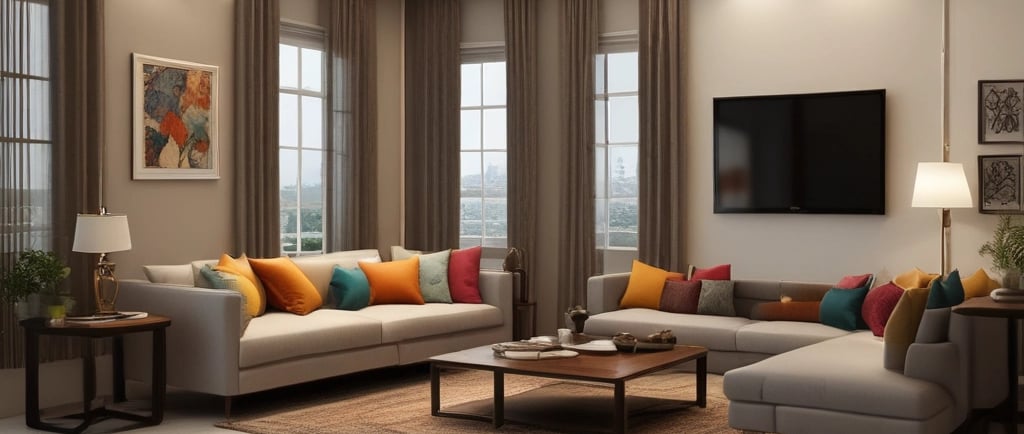
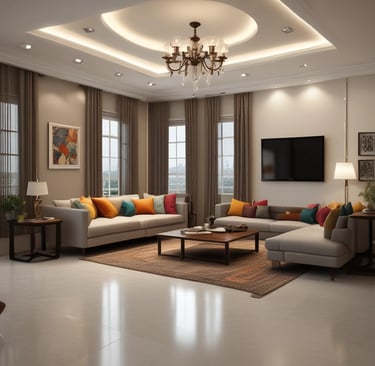
As we head into 2026, home design is embracing a thoughtful shift — moving beyond fleeting fads, and leaning into spaces that feel personal, grounded, and deeply attuned to how we live today. For Indian homes especially, where climate, culture, and lifestyle weave together, these trends offer a fresh canvas to balance global style with local soul.
1. Biophilic & Nature-Connected Living
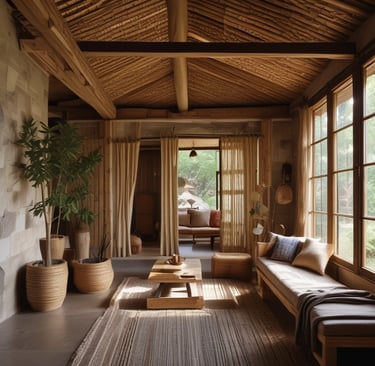
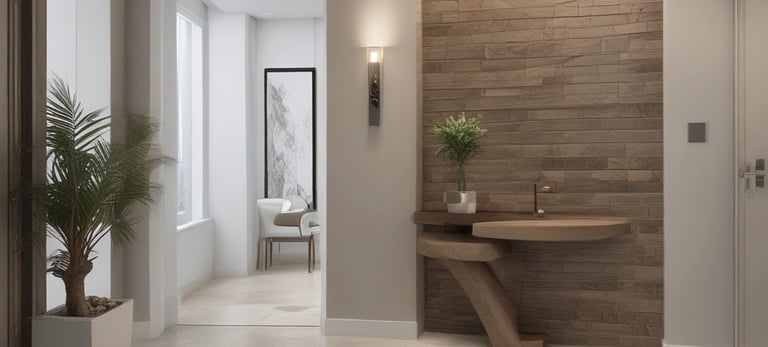
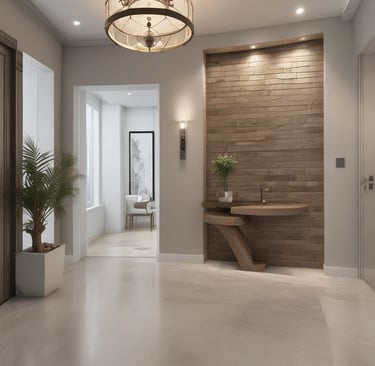
.2026 continues the strong movement toward integrating natural elements — wood, stone, plants, earthy textures — inside homes.
This is particularly suited to Indian homes — using indoor plants, jali patterns, raw wood or natural fibre furniture, breezy layouts, and natural light helps beat the heat while adding a calm, grounded vibe.
Designers increasingly favour “living rooms that breathe”: indoor gardens, potted greens, natural materials, natural light — all creating a daily connection to nature that resonates with wellness and tranquility.
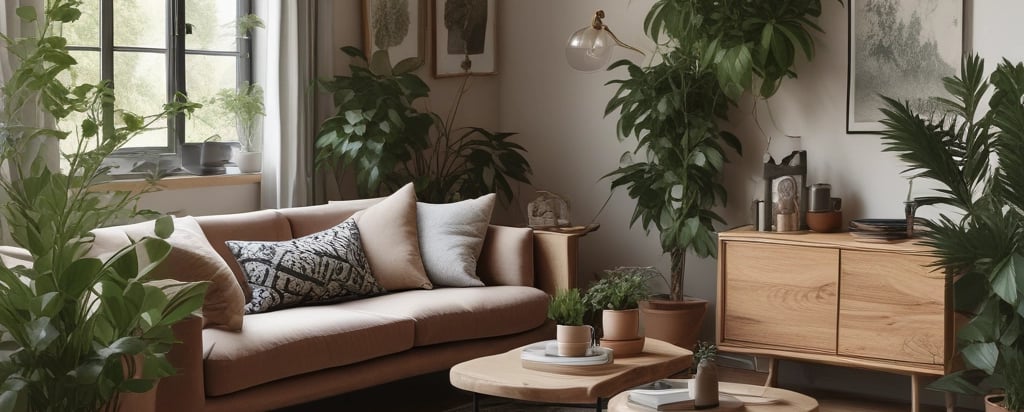
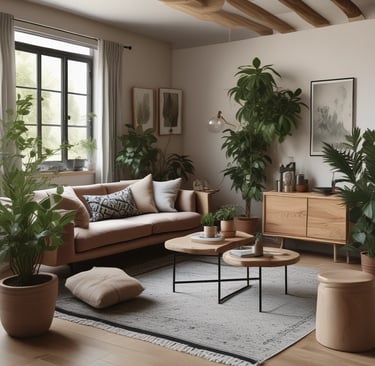
Tip for clients: Even a few well-placed plants, a wooden accent wall or floor, or a small indoor herb-and-spice nook can transform a regular room into a nurturing, nature-filled space.
2. Cozy Minimalism with Textures — The Warm Minimalist
Minimalism isn’t disappearing — but it’s evolving. Homeowners are rejecting cold, stark modernism in favour of minimal interiors that feel warm, lived-in and tactile.
What that means:
Clean lines and uncluttered spaces remain. But instead of glossy or cold finishes, surfaces get soft textures — matte plaster, linen drapes, woven rugs, warm ambient lighting.
A subtle, earthy colour palette — muted beiges, sand, soft browns, warm greys — is preferred over sterile whites or sharp contrasts.
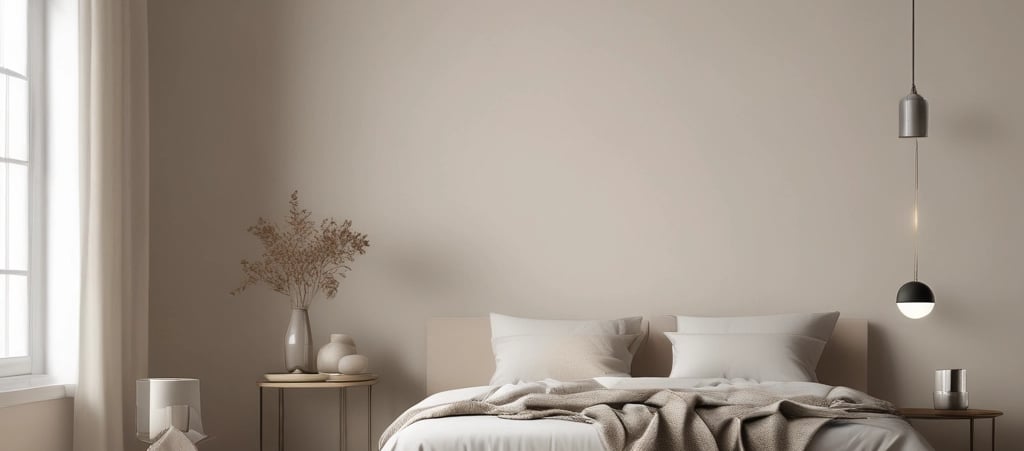
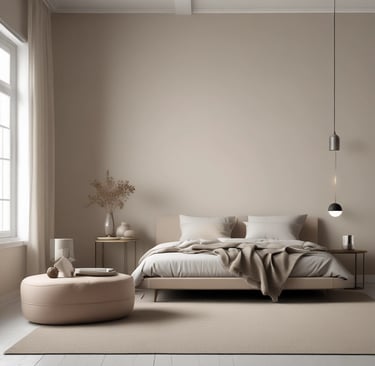
Tip for client: In a bedroom or living room, use textured plaster walls or soft linen curtains. Pair those with minimal furniture: low-profile sofas or beds, simple shelves — and let the textures do the “design talking.”
3. Craft, Artisanal Touches & Sustainable Materials
As global design sensibilities shift toward “authentic, soulful, and sustainable,” Indian homes are embracing handcrafted, artisanal elements — locally made furniture, traditional textiles, natural materials, and recycled or up-cycled décor.
Materials like reclaimed wood, bamboo, hand-woven fabrics, stone or terracotta become more than a style — they become a lifestyle choice rooted in sustainability, heritage and authenticity.
Interiors avoid mass-produced, generic looks. Instead, each piece becomes a conversation starter — a handcrafted cabinet, an artisanal lamp, a handcrafted rug — reflecting the homeowner’s personality and taste.
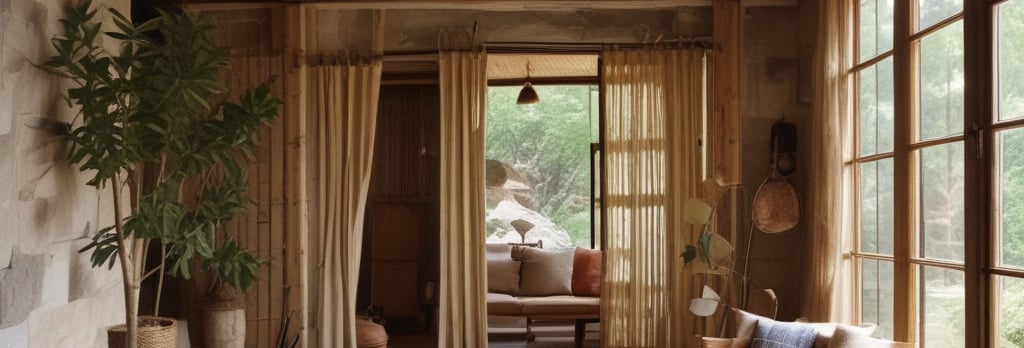
Tip for clients: Consider commissioning a wooden cabinet from a local carpenter, or adding handcrafted accessories and natural-fibre rugs. These small investments add character and longevity to interiors.
4. Rich Colours, Pattern Drenching & Statement Palettes
After years of neutral and grey-dominated palettes, 2026 sees a resurgence of richer, deeper and more expressive colours — especially in accent elements: cabinetry, furniture, feature walls.
Expect bold accent colours — deep blues, forest greens, rich wine or plum — used in measured doses: perhaps on a kitchen island, a wardrobe, a statement wall
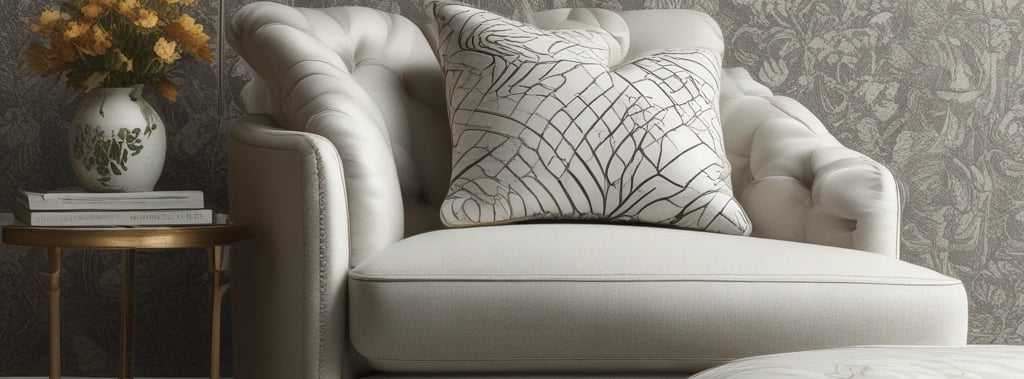
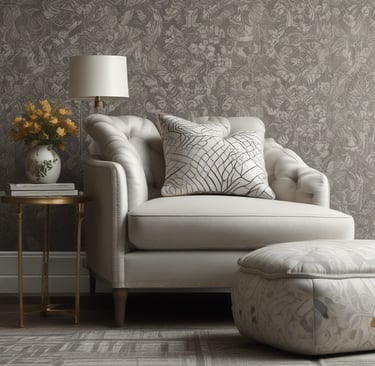
Pattern drenching — using a single motif or pattern across a space (wallpaper, upholstery, curtains) — is gaining popularity. It creates cohesive, atmospheric spaces with personality rather than bland uniformity.
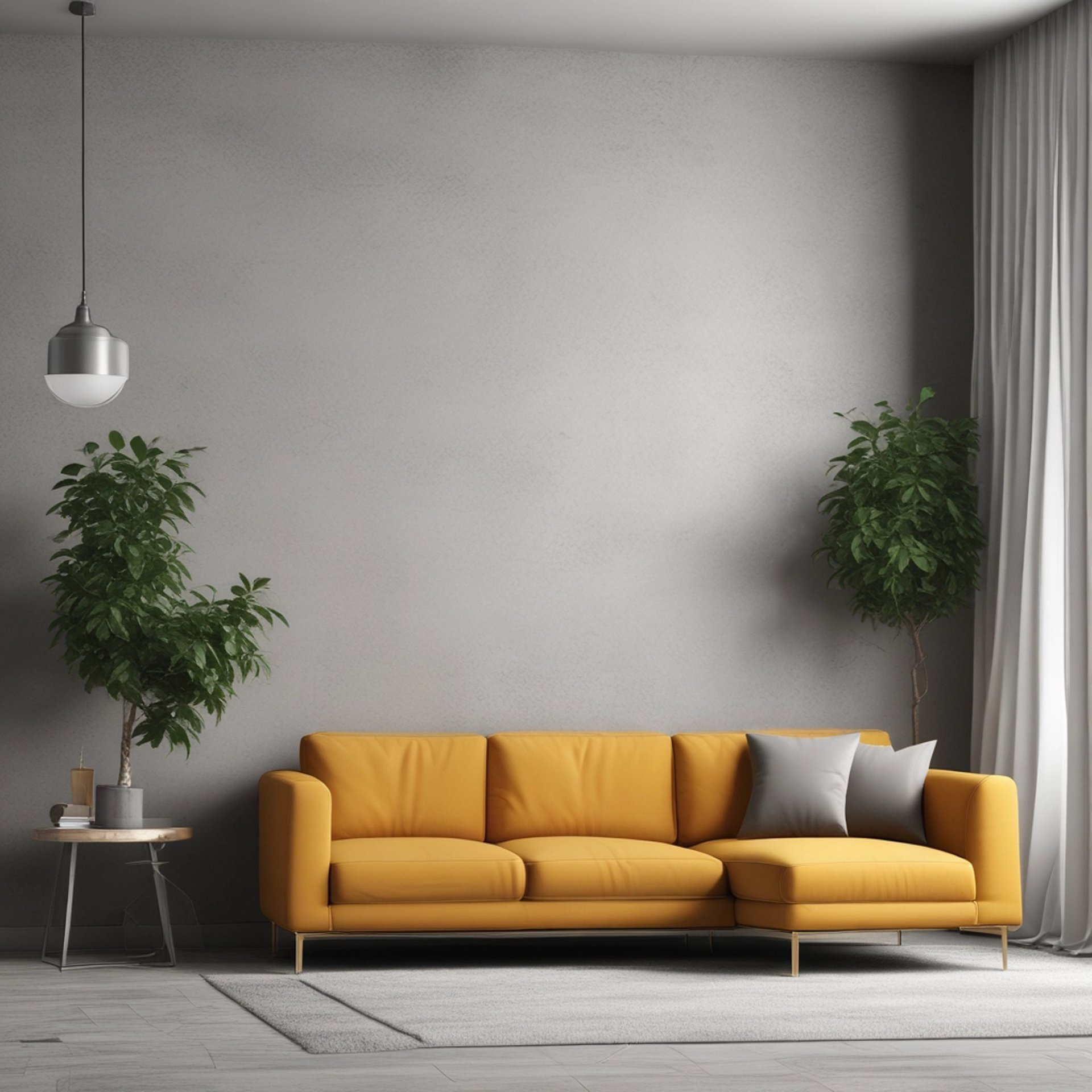
Tip for client: In a living room, choose one “hero” piece — like a bold sofa or patterned rug — and build the palette around it. Restrain other colours so your accent makes a statement without overwhelming.
5. Smart, Flexible & Space-Saving Layouts — Designed for Modern Indian Homes
With increasingly compact urban housing in cities like Bengaluru, Delhi, Mumbai, flexible layouts and smart space usage are becoming essential. 2026 emphasises maximizing every inch without compromising on style or comfort.
Examples:
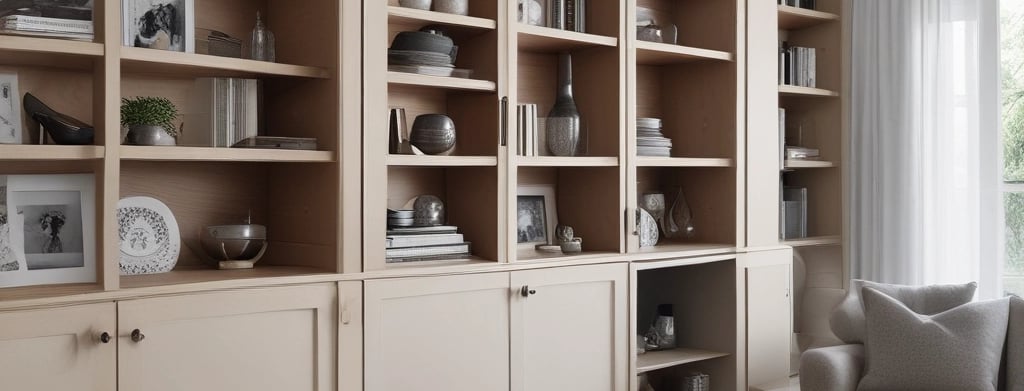
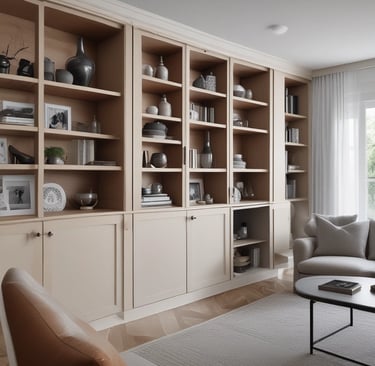
Modular furniture, built-in storage, hidden cabinets — ideal for apartments or small flats.
Kitchens and living rooms with fluid layouts: open-plan or semi-open, but organized such that cooking, dining and lounging flow seamlessly.
Smart lighting and clever storage solutions — making homes feel larger, uncluttered, and tailored to modern lifestyles.
Tip for clients: For small flats, invest in built-in wardrobes or multifunctional furniture (e.g. a sofa that doubles as storage). Keep décor minimal but meaningful.
6. “Quiet Luxury” — Subtle Sophistication Over Flashy Glamour
2026 is seeing a shift from ostentatious show-homes to understated luxury. The vibe is refined, calm, and timeless.
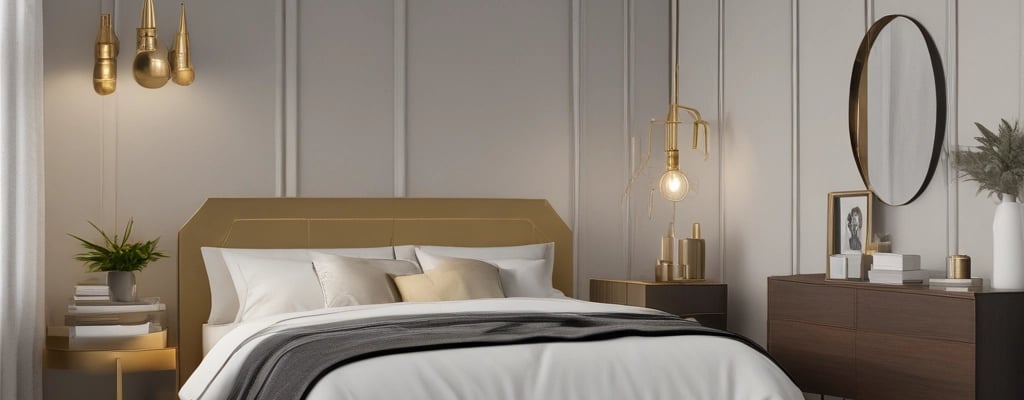
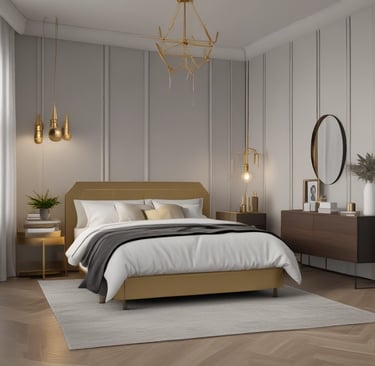
Luxury through materials and craftsmanship rather than flashy finishes: think warm neutral palettes, natural stone, wood, brass or matte metal accents, textured upholstery.
Interiors designed for comfort, serenity, and longevity — not just style trends.
Tip for client: Use natural stones, wood, matte metals, and warm neutrals. Keep décor minimal but choose high-quality pieces that age well and age beautifully.
How Indian Homes Can Adapt 2026’s Trends — Practical Advice for Clients
For homeowners in India — especially urban apartments or compact houses — here’s how you can embrace these trends smartly:
Blend global + local: Use global design sensibilities like minimalism, smart layouts, earthy palettes — but pair them with locally available materials (teak, bamboo, terracotta, traditional weaves) for climate-appropriate, culturally relevant homes.
Plan for seasons: Think about ventilation, natural light, and cooling — especially for Indian summers. Use shading, natural materials, and airflow-friendly layouts.
Make sustainability a priority: Reclaimed wood furniture, natural fabrics, plant walls — these align with global eco-awareness while suiting Indian homes.
Balance bold and subtle: Use bold accents (colour, patterns) sparingly — perhaps one feature wall or statement furniture piece — and keep the rest calm and neutral for a balanced feel.
Invest in timeless pieces: Go for quality over quantity. A few well-made pieces — a handcrafted wooden cabinet, a soft linen sofa, a modular storage bed — will serve you for years.
Why 2026 Is a Great Time to Redesign
It blends global sophistication with natural comfort, suits varied home sizes (from compact flats to villas), and respects both tradition and modern living.
Whether a client wants a cozy family home, a sleek urban apartment, or a modern bungalow — these trends offer flexibility, longevity, and a sense of rootedness. As a designer, you can help clients create homes that don’t just follow trends — but reflect who they are, how they live, and what they value.
Want to Transform Your Home? Let’s Talk!
If you like these ideas and are ready to redesign your space — whether it’s a small apartment or a full home — I’d love to help you bring 2026’s best interior design trends to life.
[Your Design-Studio Name] offers personalized design consultations tailored for Indian homes — combining style, comfort, and functionality. Let’s create a home that’s timeless, beautiful, and truly yours.
✨ Get in touch today for a free consultation and mood-board preview.
Design
We are experts in creating stunning spaces that radiate positive energy and harmony.
Consultation & Comprehensive Solutions
7259820876